
150 The Broadway
Wimbledon
The Vision
Our vision is to reimagine 150 The Broadway as a lively, welcoming mixed-use building that brings renewed energy to this key town centre site.
Our proposals will deliver around 300 professionally managed co-living homes, with 10% designed to be wheelchair accessible. Each home would be fully furnished studio, complemented by shared lounges, kitchens and workspaces that support everyday living.
At ground level, it would provide modern commercial space for the wider business community, whilst creating an active street presence.
The high-quality homes are designed for working adults who want a safe, flexible rental option close to employment, transport and amenities.
By introducing new residents whilst retaining employment space, the development would support local businesses and contribute to a more vibrant Wimbledon Town Centre throughout the day and evening.
CGI of the proposed building entrance (click to enlarge)
Enhancing Wimbledon Town Centre
Located at a key gateway into Wimbledon, the proposals will transform an underused office building into a new mixed-use destination, bringing hundreds of new residents into the town centre. This will help support local cafés, restaurants, cultural venues and retailers, strengthening the local economy and reinforcing Wimbledon’s role as a lively place to live and work.
At street level, modern commercial space will retain employment opportunities while creating a more active frontage along The Broadway, encouraging flexible working and local enterprise. The project will support training and skills during construction, create new operational roles and contribute to local services and infrastructure through planning contributions and council tax, helping the development complement Wimbledon’s evolving town centre.
Key Benefits
Over 300 new residents expected to live in the development, supporting a more vibrant Wimbledon Town Centre.
£5.4 million annual local spend, boosting shops, cafes, leisure and food and drink businesses.
Around 70 new on-site jobs, plus additional jobs supported through increased local spending.
High quality internal and external shared amenity spaces designed to support resident health, wellbeing and community life.
Six apprentices, trainees and graduates supported during construction, helping deliver local skills and training opportunities.
£450k - £520k annual expected council tax contribution to Merton, alongside long-term professional management of the building.
How the building will work
The building has been carefully arranged into different zones to make everyday life easy, comfortable and sociable. From the moment you arrive, each space has a clear purpose.
Zone 1: Entrance and arrival
Residents and visitors would enter at the corner of The Broadway and Stanley Road, with new public realm improvements that would create a more welcoming and greener street presence.
The ground floor would feel open and active, with flexible seating and commercial areas that can adapt throughout the day.
Zone 1 layout diagram (click to enlarge)
Zone 2: Flexible commercial space
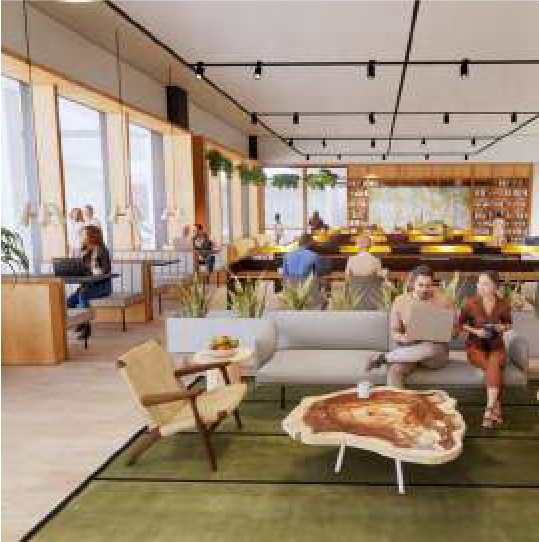
At street level, we are proposing a new commercial space that will bring activity and opportunity to the wider community. We are exploring a range of potential uses, including co-working spaces, as well as other town centre commercial uses that could serve local businesses, entrepreneurs and the wider community.
The aim is to create an active, welcoming frontage that encourages footfall and adds to the vibrancy of Wimbledon Town Centre throughout the day.
Zone 2 layout diagram (click to enlarge)
Zone 3: Lifestyle and wellbeing
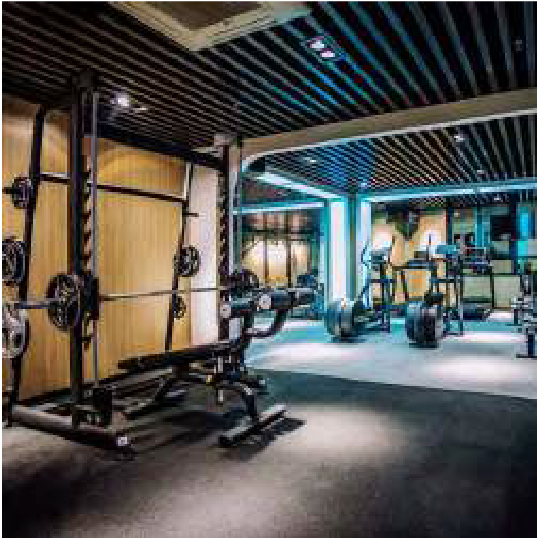
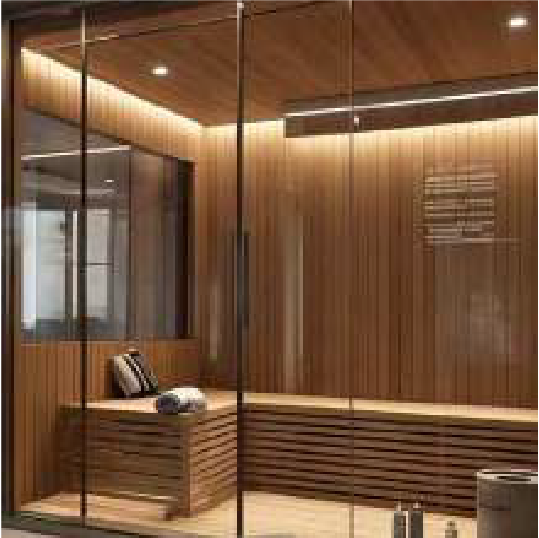
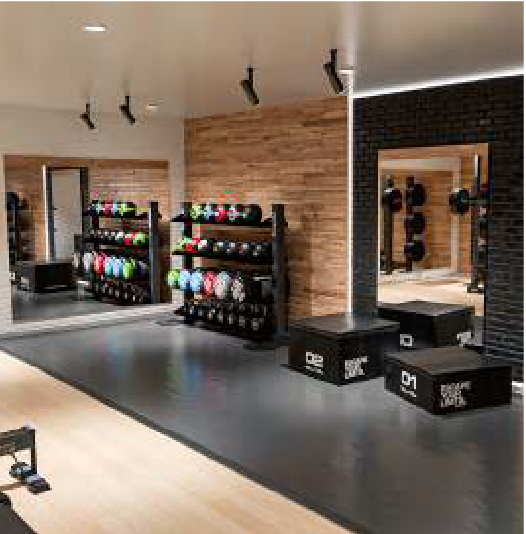
This zone will focus on residents' physical and mental health. Features may include a gym, yoga studio, and cinema room, all included within the rent. The aim is to make healthy, social living convenient and accessible.
Zone 3 layout diagram (click to enlarge)
Zone 4: Social spaces and rooftop terrace
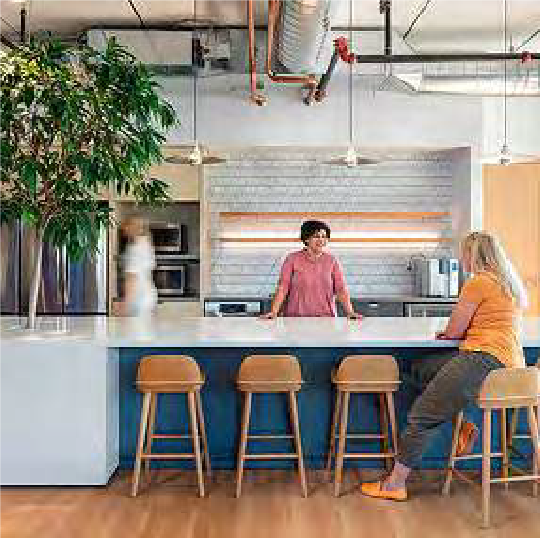
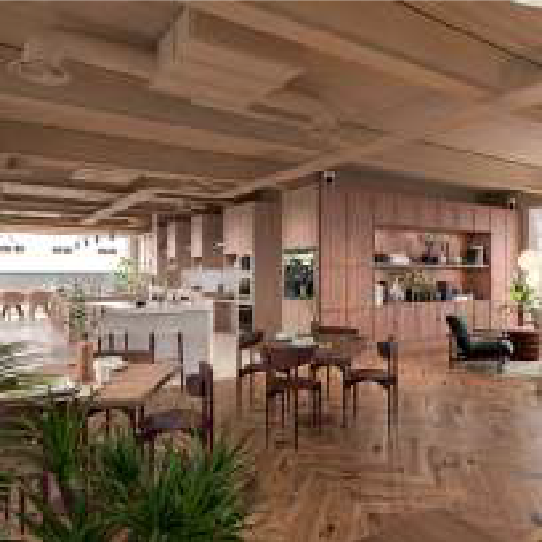
Shared kitchens and dining areas would provide space for residents to cook and eat together, alongside private dining rooms for hosting friends.
A rooftop terrace would offer outdoor space above the town centre, designed with planting and screening to respect neighbouring buildings while creating a calm place to gather.
Games and media rooms would add further options for socialising in a relaxed, informal setting.
Zone 4 layout diagram (click to enlarge)
Zone 5: Private studios
From the first to eighth floors, residents would have their own private studio.
Each studio is around 20m² in size and makes smart use of space, offering privacy while being part of a wider community.
The layout typically incorporates a sleeping area, a private en-suite shower room and a kitchenette. A small social space allows for individual relaxation or entertaining.
Zone 5 layout diagram (click to enlarge)
Shared amenities
The building includes a generous mix of shared spaces, designed to make everyday life easier and more social. Residents will have access to a range of indoor and outdoor areas, including:
Co-working space at ground floor level, with desks, meeting rooms and quieter areas for focused work.
Shared kitchens, lounges and dining areas where residents can cook, relax and spend time together.
A gym for everyday exercise and wellbeing.
Outdoor terraces, including a rooftop space for fresh air and informal gatherings.
Example of a studio
The building would rise up to nine storeys and has been carefully designed for this popular corner of The Broadway and Stanley Road. Its height reflects the mix of building sizes already found in Wimbledon Town Centre, helping it feel part of the area.
The frontage is broken into smaller vertical sections, so it feels more in keeping with the rhythm of The Broadway, rather than appearing as one large block. Subtle setbacks and variation in the façade help reduce its visual impact, and the upper floors have been arranged with nearby homes in mind.
The materials draw on those commonly seen locally, including red and buff brick, with bronze and red metal detailing to give the building a contemporary character. Decorative metal panels reference patterns found in local architecture and nod to the site’s cinematic past.
Building design, composition and character
CGI of the proposed building entrance
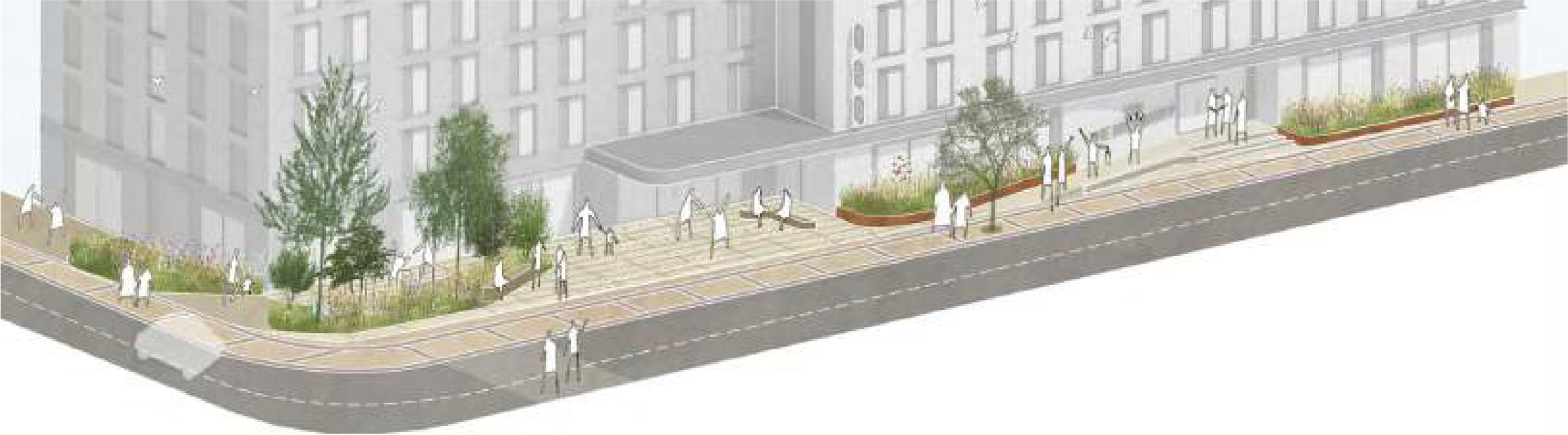
Proposed public realm landscape
Sustainability
Sustainability has been built into the proposals from the outset. The development will be car-free (with Blue Badge spaces only), encouraging walking, cycling and public transport use in this highly connected town centre location. Green roofs and planting will enhance biodiversity, and the scheme is targeting at least a 10% biodiversity net gain.
The building will follow a “fabric-first” approach, meaning it is designed to reduce energy demand through high levels of insulation and efficient systems. Low-carbon heating, sustainable drainage and water-efficient fittings will also be included.
The commercial space will be designed to target an ‘Excellent’ BREEAM (Building Research Establishment Environmental Assessment Method) rating, demonstrating high environmental performance in areas such as energy use, materials, health and well-being, and long-term sustainability.
What is co-living?
Co-living is a form of purpose-built shared living for single-person households. Each resident has a private en-suite studio with their own kitchenette.
In addition, they share a wide range of high-quality communal spaces including kitchens, lounges, dining rooms, gyms, co-working space, laundry rooms and roof terraces. The scheme is managed and serviced by a professional operator who handles all aspects of tenancy, security, maintenance and community engagement.
Unlike traditional houses of multiple occupation (HMOs) or flat shares, co-living provides a higher standard of living, offering a variety of amenities in a safe environment.
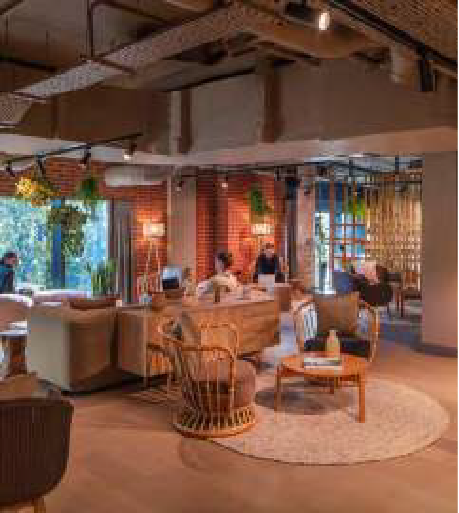
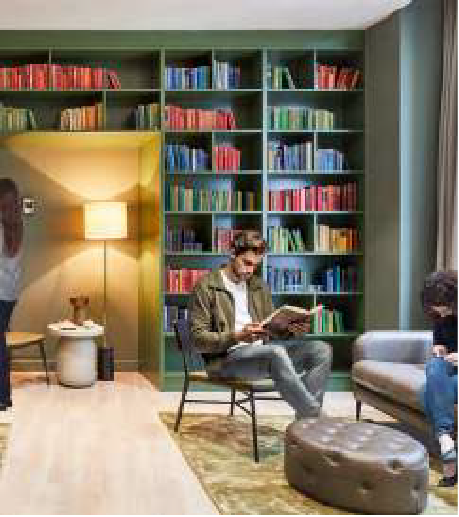
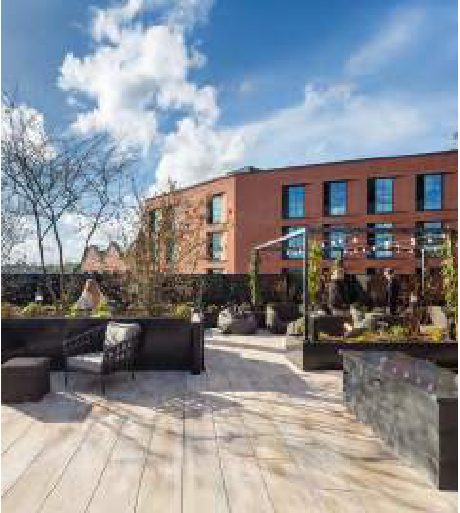
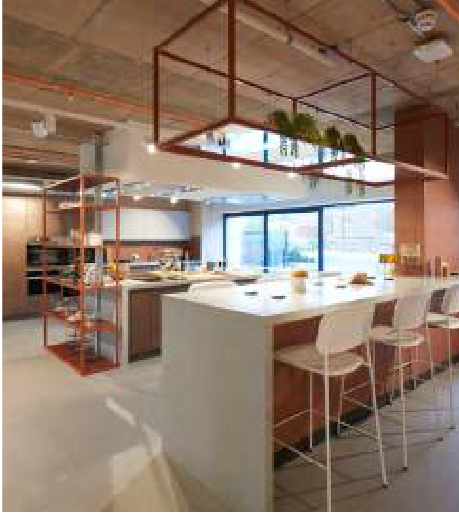
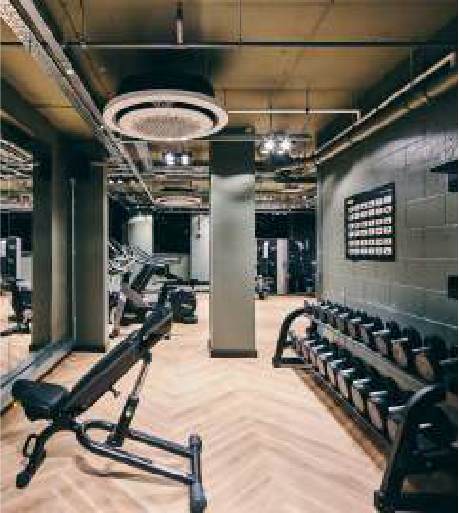
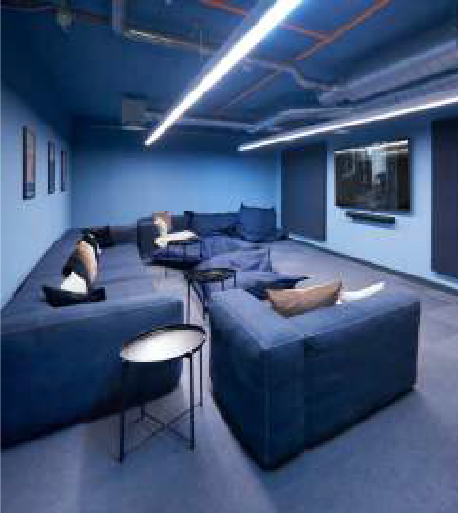
Co-living example images